Knowledge Keepers shared with us the importance of ceremony, traditional medicine, and connection to land during the pandemic. Throughout the pandemic First Nations led responds centered traditional medicine and ceremony when combating the virus, including providing traditional medicines and smudge at testing and vaccine clinics.
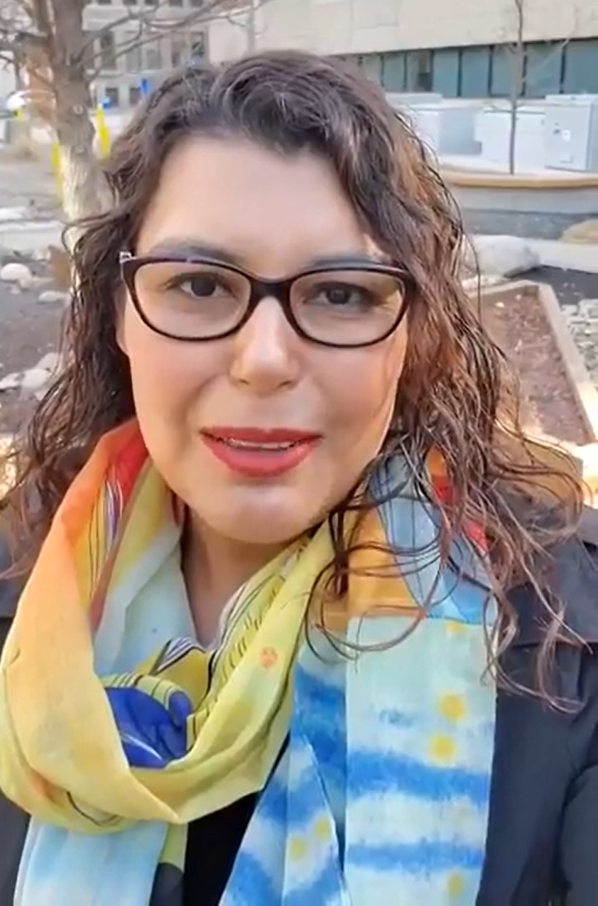
Dr. Marcia Anderson discusses ways to take care of spiritual health during the pandemic shared by Knowledge Keepers.
-Sherryl Blacksmith, Knowledge Keeper
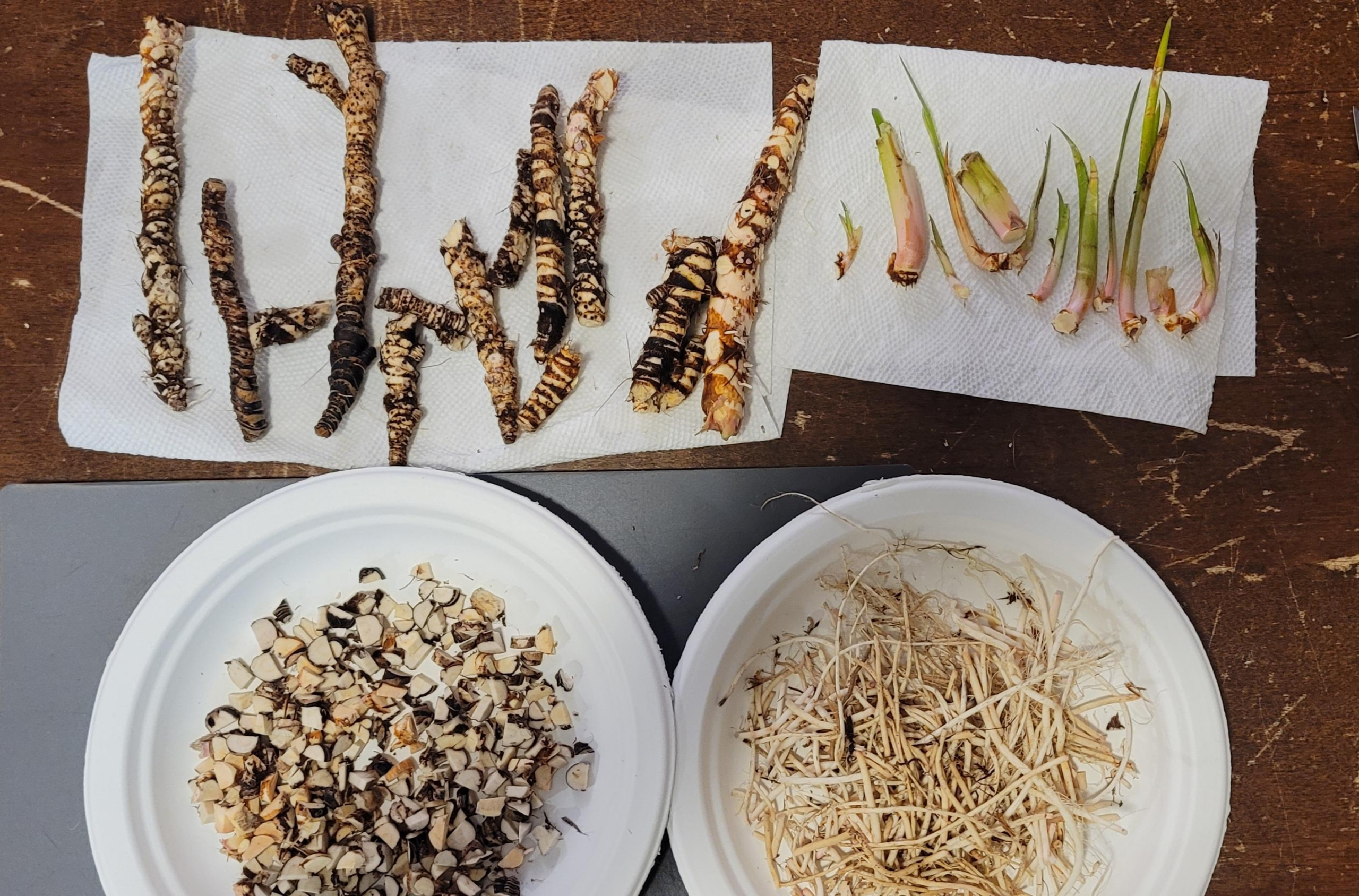
“Oh, I don’t know what kind of medicine would help. I thought about my friend in Norway House I called him and I said do you have any COVID medicine? Yes. I said send me some. How do I do it? we’re locked down too. We did it through the mail. We got it the next day. She gave me instructions how to make it. That was a good medicine, one of the best medicine. When she made it, I went over to my room. I have prayed whatever prayers I needed. OK. This medicine can help. They made it for me from Mother Earth.”
-Knowledge Keeper


-Sandra, Turtle Team Member
-Mary Bryan, Knowledge Keeper
“But my grandchildren and children, I’ve taught them like I take them on the land. I make sure they know. But not all families are teaching them the connection to the land and how important that is to collect our medicines. Our medicines are hard to get, like they’re not easy […].”
-Sherryl Blacksmith, Knowledge Keeper
“We made maple syrup. That was the best time for me because I remember, I remember it took me back again to the time when I watched my late grandmother, my Nohkom, make Maple syrup. It was very hard work, but I truly enjoyed it and you know, like I miss that. You know, it didn’t deter us. We said we’re going, you know, we’re going to be together.”
– Knowledge Keeper on spending a month outdoors during COVID learning a very old skill, making maple syrup.
“It was tough for ceremony wise because we had to postpone a bunch. Like I did ceremony with just my family. And again, it’s that sounds selfish, but when you work for people, to finally be like to be able to have ceremony with just my children, just my grandchildren, it was so awesome.”
-Sherryl Blacksmith on sharing ceremony with immediate family

– L.G, Skownan
